Why Table Games Are Still One of the Strongest Revenue Drivers for Casinos
 Kendal Ross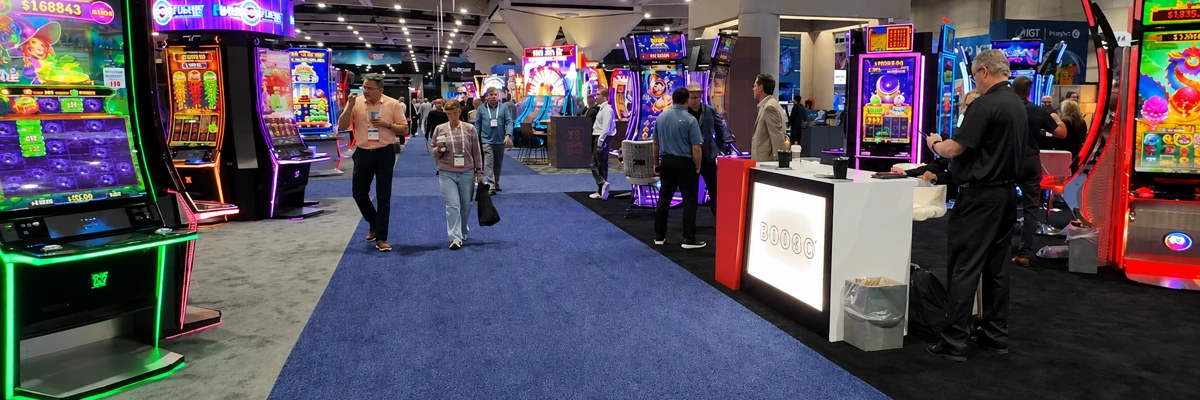
For years, slot machines have dominated casino revenue charts, often leaving table games viewed as a legacy product slowly losing relevance. Yet discussions at the recent Indian Gaming Tradeshow & Convention suggested the opposite. Industry executives argued that blackjack, roulette, baccarat, and newer hybrid formats are not only surviving, but adapting to modern player behaviour through volatility, side bets, electronic formats, and data-driven innovation.
The conversation reflects a wider shift happening across both land-based and digital gambling markets. Table games are no longer competing directly against slots. Instead, casinos are increasingly blending the mechanics and engagement strategies of both verticals to create products that appeal to modern gamblers seeking faster gameplay, higher volatility, and more social interaction.
The Casino Pit Still Creates the Strongest Atmosphere
One of the key themes raised during the panel discussion was that table games still function as the emotional center of many casinos. While slot machines generate large volumes of revenue quietly and efficiently, the live pit remains the most visually active and socially engaging part of a gaming floor.
This matters because modern casinos are increasingly focused on experience rather than pure transactional gambling. Table games naturally create crowds, interaction, and entertainment value that slots alone cannot fully replicate.
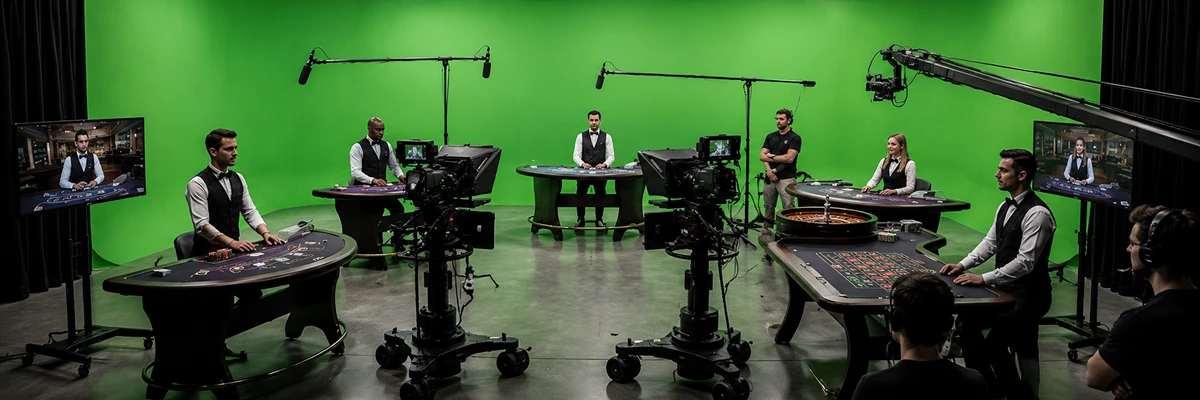
The rise of live dealer gaming online has reinforced this trend. Platforms now attempt to recreate the energy of physical blackjack and roulette tables through streaming studios and interactive formats. This is one reason why live casino products continue expanding globally, particularly among younger players looking for more immersive gameplay experiences.
CasinoAudit recently explored how AI-enhanced live gaming presentation is changing player engagement through scalable dealer-driven experiences in AI live casino systems.
Side Bets Are Making Table Games More Volatile
Another major reason table games remain commercially attractive is the success of side bets. Traditionally, blackjack and baccarat were low-edge games where skilled players could significantly reduce the house advantage. Today, optional side wagers have transformed the economics of the pit.
Features such as Lucky Ladies, 21+3, progressive jackpots, and bonus payouts introduce much higher volatility while increasing operator hold percentages.
This reflects a broader behavioural shift among casino players. Modern gamblers, particularly those familiar with online slots and crash-style games, increasingly prefer higher-risk gameplay with the possibility of larger short-term payouts.
According to data from the American Gaming Association, player engagement patterns continue evolving toward faster and more volatile gaming formats across both digital and retail environments.
New hybrid products also blur the distinction between table games and slots. Light & Wonder’s “Double Down Madness,” discussed during the panel, was described as “blackjack on steroids” because of its modified rules, aggressive side bets, and elevated volatility.
These mechanics mirror the design philosophy already common in online slot development, where bonus features and jackpot systems are used to maintain excitement and increase session duration.
Electronic Table Games Continue Expanding Their Role
Electronic table games (ETGs) were another major topic at the conference. While ETGs have not dramatically overtaken casino floors, they continue serving an important purpose: introducing new players to traditional table games in a less intimidating environment.
For many beginners, sitting at a live blackjack or craps table can feel uncomfortable due to social pressure, betting speed, or unfamiliar rules. ETGs remove much of that friction by offering individual stations, automated betting systems, and lower wagering limits.
This is particularly relevant as casinos attempt to attract younger demographics that are more accustomed to digital interfaces than traditional dealer-led gameplay.
Hybrid systems are also becoming more sophisticated. New concepts such as virtual pits combine live players, digital interfaces, shared progressives, and multiplayer interaction into a format that resembles online gaming ecosystems.
The growing overlap between physical and digital gambling environments continues reshaping casino strategy. Similar convergence trends are also visible in areas like provably fair gambling systems, where transparency and digital mechanics increasingly influence player expectations.
AI and Data Could Redefine Table Game Operations
One of the most forward-looking parts of the discussion focused on artificial intelligence and data collection. Compared to slots, table games historically generated less usable behavioural data because tracking physical chips, player decisions, and dealer interactions is more complex.
However, advances in AI, camera systems, RFID tracking, and pattern detection may change that rapidly.
Executives at the panel suggested AI could help casinos improve fraud detection, optimise player retention, personalise rewards, and better understand customer behaviour in real time.
This aligns with broader developments across the gambling industry. According to Deloitte Digital transformation insights, AI is becoming one of the most disruptive technologies shaping customer engagement, operational efficiency, and predictive analytics across entertainment industries.
For casinos, the ability to combine live table gaming with advanced behavioural analysis could significantly increase the long-term value of the pit.
Why Table Games Are Unlikely to Disappear
Despite repeated predictions that slots and online gaming would marginalise table games, the opposite may be happening. Rather than remaining static, table games are evolving by incorporating elements from slots, esports, live streaming, and digital interfaces.
Modern players no longer view gambling products as isolated categories. A blackjack player may also spin slots, place esports bets, and participate in live dealer sessions during the same visit or online session.
That convergence is helping table games remain commercially relevant while preserving the social atmosphere that many players still value. As casinos continue experimenting with volatility mechanics, hybrid systems, AI integration, and live experiences, table games appear positioned not as a declining legacy product, but as one of the industry’s most adaptable gaming formats.
Kendal explores live casino, table games, and mobile platforms, analyzing how digital products recreate real casino experiences and influence player behavior.
More articles in Live Casino & Table Games