Casino Hold’em Explained: Live Dealer vs RNG — Key Differences and Player Experience
 Kendal Ross
Casino Hold’em is a widely played poker-style table game available in both Live Dealer and RNG (Random Number Generator) formats. Based on Texas Hold’em rules, the game pits players directly against the dealer rather than against each other. While the structure remains identical in both formats, the overall experience, pace, and environment can vary considerably.
In Casino Hold’em, players receive two private cards, while five community cards are dealt on the table. After placing an ante bet, the player can either fold or raise (usually 2x the ante). The dealer must qualify with at least a pair of fours to complete the round. The theoretical RTP stands at approximately 97.84% with a house edge of around 2.16%, assuming optimal strategy is applied.
Core Game Specifications
Feature | Details |
|---|---|
Deck | Standard 52-card deck |
RTP | ~97.84% |
House Edge | ~2.16% |
Dealer Qualification | Pair of 4s or better |
Raise Option | 2x Ante |
Game Type | Player vs Dealer |
Live Dealer Casino Hold’em
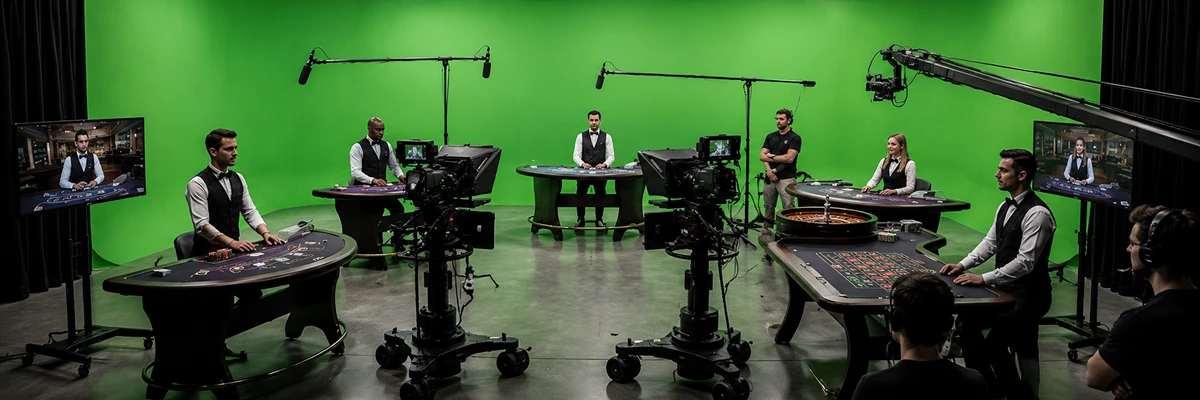
The live version is streamed from licensed studios using real dealers and physical cards. Providers such as Evolution and Playtech offer HD broadcasts, multiple camera angles, and interactive chat features.
Live tables typically have higher minimum bets, often starting from €5 or €10 depending on the casino. The pace is slower due to real-time dealing and decision windows, but many players appreciate the transparency and immersive casino atmosphere.
Key characteristics of Live Casino Hold’em include:
Real dealer and physical card handling
Studio-based HD streaming
Social interaction via chat
Slower but more immersive gameplay
RNG Casino Hold’em
The RNG version operates entirely through certified software. Outcomes are generated instantly by a tested Random Number Generator, audited by independent labs such as eCOGRA or iTech Labs.
RNG tables usually offer lower minimum bets and much faster rounds. A single hand can be completed in seconds, making it suitable for players who prefer efficiency and higher hand volume. Importantly, the RTP remains effectively identical to the live version when the paytable is the same.
Which Format Should You Choose?
From a mathematical standpoint, both formats are virtually identical. The RTP and house edge do not meaningfully change. The main differences lie in pace, presentation, and personal preference.
Players who value realism and interaction often prefer Live Dealer Casino Hold’em. Those focused on speed, lower stakes, and convenience typically gravitate toward the RNG format.
Kendal explores live casino, table games, and mobile platforms, analyzing how digital products recreate real casino experiences and influence player behavior.
More articles in Live Casino & Table Games